
When was the last time you took a deep, clear breath or truly enjoyed the aroma of your favorite meal? For many, these basic senses are clouded by a persistent obstruction that standard medical sprays simply cannot reach. It’s frustrating to feel that your health is at a standstill despite trying various conservative treatments. If you’re considering nasal polyps removal, you’re likely seeking more than just a temporary fix; you’re looking for a permanent return to clarity and comfort. Chronic rhinosinusitis with nasal polyps affects approximately 4% of adults, yet the anxiety surrounding surgical intervention often prevents patients from seeking the relief they deserve.
We understand that the decision to undergo surgery is significant. This specialist guide is designed to demystify the process and provide you with the confidence to move toward a life free from congestion. You’ll discover the precision of advanced Endoscopic Sinus Surgery, understand the latest recovery protocols, and learn how expert clinical intervention can finally restore your sense of smell and ease of breathing. From understanding surgical risks to mastering the post-operative period, this article serves as your trusted roadmap to reclaiming your quality of life through specialized, patient-centered care.
Key Takeaways
- Recognize the hallmark signs of chronic obstruction and when it’s time to transition from temporary sprays to a more permanent solution.
- Explore the technical process of Functional Endoscopic Sinus Surgery (FESS) and how it achieves nasal polyps removal without the need for external scarring.
- Gain clarity on the role of advanced biologics versus surgical options to determine which pathway best suits your specific health profile.
- Follow a structured recovery plan designed to minimize discomfort and restore your sense of smell within a few short weeks.
- Find out what to look for in a specialized ENT consultant to ensure your treatment is handled with the highest level of clinical expertise.
Understanding Nasal Polyps and When Removal is Necessary
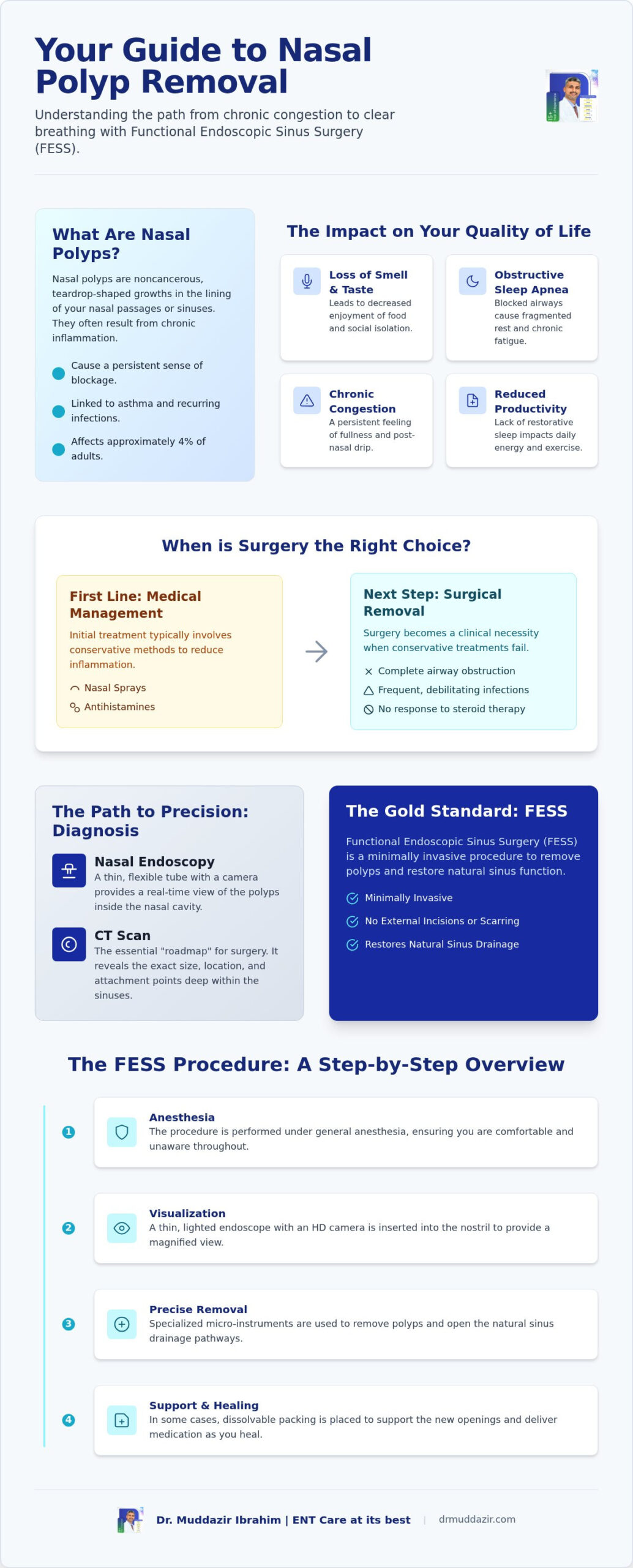
Do you feel as though you’re constantly fighting a cold that never truly clears? This persistent sensation of fullness and blockage is often caused by Nasal Polyps. These are soft, teardrop-shaped growths that develop on the lining of your nasal passages or sinuses. While they are noncancerous and typically painless, their presence can create a significant physical barrier to normal breathing. They often arise from chronic inflammation linked to conditions like asthma, recurring infections, or chronic rhinosinusitis. When these growths become large enough, they trigger hallmark symptoms such as chronic congestion, a persistent post-nasal drip, and a distressing loss of taste and smell, known as anosmia.
For many patients, the journey begins with nasal sprays or antihistamines. However, medical management has its limits. Nasal polyps removal transitions from a consideration to a clinical necessity when these growths cause complete airway obstruction, fail to respond to intensive steroid therapy, or lead to frequent, debilitating sinus infections.
The Impact of Nasal Polyps on Quality of Life
Living with polyps isn’t just a matter of physical discomfort; it carries a heavy psychological and systemic burden. The loss of taste and smell can lead to a decreased interest in food and a sense of social isolation. Beyond the daytime struggle, these growths are a frequent contributor to obstructive sleep apnea. When your nasal passages are blocked, your body struggles to maintain a consistent oxygen flow during sleep, leading to fragmented rest and chronic fatigue. This lack of restorative sleep often results in reduced exercise tolerance and a general decline in daily productivity. You aren’t just losing your breath; you’re losing your energy.
The Role of Diagnostic Imaging in Removal Planning
A successful outcome begins with a precise map of your internal anatomy. During a specialist consultation, a nasal endoscopy is typically performed. This involves using a thin, flexible tube with a camera to visualize the extent of the polyps in real time. While this provides a clear view of the nasal cavity, physical exams alone aren’t enough to plan a surgical intervention. A CT scan is the essential “roadmap” for any surgeon. It allows us to see deep within the sinus cavities, identifying the exact attachment points of the polyps and any anatomical variations. This high-resolution imaging ensures that the nasal polyps removal is tailored to your unique structure, maximizing precision while minimizing risk to surrounding tissues.
The Surgical Procedure: How Endoscopic Sinus Surgery (FESS) Works
When conservative treatments fail to provide lasting relief, Functional Endoscopic Sinus Surgery, or FESS, stands as the modern gold standard for clinical intervention. Unlike traditional surgical methods of the past, FESS is entirely minimally invasive. This means there are no external incisions and no visible scarring; the entire procedure is performed through the nostrils. While many patients first research nasal polyps symptoms and causes to understand their condition, the transition to surgical management requires a technical focus on restoring long term health. To gain a deeper understanding of how this procedure works and what to expect, our complete guide to endoscopic sinus surgery provides a thorough overview of the FESS process. The primary goal of nasal polyps removal through FESS isn’t simply to cut away tissue, but to restore the natural drainage pathways of the sinuses, allowing them to function correctly once again.
Step-by-Step Breakdown of the Removal Process
Understanding the sequence of a surgical procedure can significantly reduce patient anxiety. The process is methodical and designed for maximum safety:
- Step 1: Anesthesia. The procedure is performed under general anesthesia, ensuring you remain completely comfortable and unaware throughout the surgery.
- Step 2: Visualization. A thin, lighted tube called an endoscope is inserted into the nasal passages. This tool carries a high definition camera that projects a magnified view of the surgical field onto a monitor.
- Step 3: Precise Removal. Using specialized micro instruments, the surgeon removes the polyps and opens the sinus ostia, which are the natural drainage ports. This creates a clear path for air and mucus.
- Step 4: Support. In some cases, dissolvable packing or spacers are placed to maintain the new openings and deliver localized medication during the initial healing phase.
Advanced Technologies in Modern Sinus Surgery
Precision is the cornerstone of successful outcomes. Modern ENT specialists utilize Image-Guided Surgery (IGS), which functions much like a GPS for the nose. This technology combines real time endoscopic views with pre operative CT scans, allowing the surgeon to navigate complex sinus anatomy with sub millimeter accuracy. Additionally, the use of microdebriders, which are tiny rotating tips, allows for the cleaner and more efficient removal of tissue. This level of technological integration minimizes trauma to surrounding healthy structures, reduces bleeding, and speeds up the overall recovery time. If you’re ready to discuss these advanced options, consulting with a specialist can help determine the right surgical plan for your unique anatomy.
By focusing on these sophisticated methods, nasal polyps removal becomes a strategic step toward permanent respiratory clarity. The combination of high definition visualization and targeted micro instruments ensures that the underlying cause of your obstruction is addressed with the highest degree of surgical excellence.
Medical Management vs. Surgical Removal: Evaluating Your Options
Choosing between continued medical therapy and surgical intervention is a pivotal moment in your treatment journey. For many, nasal steroid sprays and rinses are the first line of defense. These medications aim to reduce inflammation and shrink small growths, but they face a significant mechanical challenge. When polyps become “massive” or “obstructive,” they create a physical barrier that topical sprays simply can’t penetrate. In these instances, nasal polyps removal isn’t just an alternative; it’s the necessary step to clear the path for future medical treatments to actually reach the sinus lining.
Contemporary management has been transformed by the introduction of biologics. In early 2026, the FDA approved new therapies like Tezspire and Lirentalizumab, which target specific immune pathways to control polyp growth. While these are groundbreaking for managing chronic inflammation, they often work best in tandem with surgery. There’s a common misconception that surgery is a “last resort” to be feared. On the contrary, modern specialists view it as a proactive solution to “reset” the sinus environment, making long-term management far more effective.
When Medication is Likely to Fail
Certain clinical factors make it unlikely that medication alone will provide lasting relief. One primary example is Samter’s Triad, a condition characterized by asthma, aspirin sensitivity, and recurrent nasal polyps. Patients with this profile often experience aggressive regrowth that resists standard sprays. Additionally, structural issues can complicate your recovery. If you have a deviated septum, it may physically block the distribution of nasal medications. In such cases, a specialist might recommend a Septoplasty alongside your polyp procedure to ensure the nasal passage is fully functional. We also have to consider the limitations of oral steroids; while effective for short-term relief, their long-term use carries risks that surgery helps you avoid.
The Long-term Benefits of Surgical Intervention
The primary advantage of surgical removal is the immediate restoration of the “sinus cycle.” By opening the natural drainage ports, we allow the sinuses to ventilate and clear mucus as they were designed to do. This leads to several measurable improvements in your daily life:
- Restored Sense of Smell: Removing the physical obstruction often leads to a significant and rapid improvement in olfactory function.
- Better Medication Delivery: Once the polyps are gone, your maintenance sprays can finally reach the deep tissue where they are needed most.
- Reduced Infection Frequency: Clearer drainage pathways mean fewer pockets of stagnant mucus, which drastically lowers the frequency of secondary sinus infections.
By shifting the focus from merely “managing” symptoms to strategically resolving the obstruction, you can regain the clarity and comfort that chronic polyposis has taken away.
Post-Operative Care: Ensuring a Successful Recovery After Removal
The period following your surgery is a vital window for ensuring the long term success of the procedure. While the surgical removal of polyps provides immediate physical clearance, the healing tissue requires diligent care to prevent complications. Most patients find they can return to their typical daily routines within 1 to 2 weeks, though the internal healing process continues for several months. During this time, your focus will shift from the clinical intervention to active recovery management.
The First 48 Hours: Immediate Post-Surgical Protocol
The initial two days are focused on comfort and stability. It’s normal to experience minor bleeding or a pinkish nasal discharge; this is simply the body’s natural response to the procedure. We recommend managing this with a light gauze pad under the nose rather than inserting anything into the nostrils. To minimize swelling and pressure, keep your head elevated at a 45 degree angle, even while sleeping. For pain management, prescribed analgesics are usually sufficient to handle the mild dull ache or pressure sensation that follows nasal polyps removal.
To protect the delicate surgical site, you must adhere to specific activity restrictions. Avoid these common triggers for the first 14 days:
- No nose blowing: This can create intense pressure that disrupts the healing tissue and may cause bleeding.
- Avoid heavy lifting: Straining increases blood pressure in the head, which can lead to post operative hemorrhage.
- Limit strenuous exercise: Keep your heart rate low to allow the inflammatory response to subside naturally.
- Sneeze with your mouth open: This simple technique redirects pressure away from the nasal cavity.
A critical component of healing is managing the “crusting” phase. As the sinuses heal, dried mucus and blood can form crusts that temporarily block the airway. This is why saline irrigations are essential; they keep the passages moist and gently wash away debris. You’ll also need a follow up appointment for professional debridement, where the surgeon carefully removes these crusts to ensure the newly opened pathways remain clear and functional.
Preventing Recurrence: A Lifetime Strategy
Because polyps are a symptom of chronic inflammation, they can sometimes return if the underlying environment isn’t managed. Modern techniques often utilize steroid eluting stents. These are small, dissolvable devices placed during surgery that slowly release medication directly into the tissue over several weeks. This targeted approach significantly reduces the risk of early regrowth. Long term success depends on a partnership between the patient and the specialist through regular check ups and consistent nasal washes. If you’re planning your procedure or need guidance on post surgical maintenance, book a specialist consultation to ensure your results are permanent and your breathing remains clear.
Selecting an Expert ENT Surgeon for Your Nasal Polyp Treatment
The success of your surgical journey depends heavily on the hands that guide the instruments. While modern technology has made nasal polyps removal safer and more efficient, the procedure still requires a high degree of technical mastery and anatomical insight. Choosing a surgeon isn’t just about finding someone who can perform the operation; it’s about finding a specialist who understands the complex inflammatory nature of your condition. You deserve a practitioner who balances clinical precision with a patient-centered approach, ensuring you feel heard and supported from the initial consultation through to your final follow-up.
Operating within a comprehensive network like NMC Specialty Hospital provides an added layer of security. A hospital-based specialist has immediate access to advanced imaging, multidisciplinary support, and the latest surgical infrastructure. This environment ensures that every aspect of your care, from anesthesia to post-operative monitoring, meets the highest international standards of safety and excellence.
What to Ask During Your Consultation
Your initial meeting is the perfect time to evaluate whether a surgeon is the right fit for your needs. Don’t hesitate to ask direct questions about their practice and the specific techniques they employ. Consider focusing on these key areas:
- Experience with FESS: How many Functional Endoscopic Sinus Surgery procedures do you perform annually? High-volume surgeons typically have more refined techniques and better outcomes.
- Technological Integration: Do you utilize Image-Guided Surgery (IGS) for complex cases? Understanding the tools used can give you confidence in the precision of the removal.
- Personalized Recovery: How will the post-operative plan be tailored to my specific lifestyle and health history? A one-size-fits-all approach is rarely effective for chronic polyposis.
The Specialized Approach of Dr. Muddazir Ibrahim
With over 15 years of clinical expertise, Dr. Muddazir Ibrahim has established himself as a trusted guide for patients seeking relief from chronic nasal obstruction. As a Consultant ENT Surgeon at NMC Specialty Hospital, he specializes in advanced Endoscopic Sinus Surgery (FESS) and functional nasal procedures. His philosophy centers on achieving optimal functional outcomes, ensuring that your breathing is restored while your comfort is prioritized throughout the process.
Dr. Ibrahim’s commitment to empathetic, patient-focused care means he takes the time to explain the nuances of your diagnosis and the rationale behind each surgical step. This specialized care is accessible across the UAE, providing a national standard of ENT excellence for those struggling with persistent sinus issues. If you’re ready to move past the frustration of ineffective medical treatments and regain your quality of life, seeking a professional evaluation is the first step toward lasting clarity. We invite you to explore your options and take control of your respiratory health today.
Reclaim Your Clarity and Respiratory Health
Living with the persistent obstruction of nasal polyps doesn’t have to be your permanent reality. By understanding the sophisticated mechanics of Functional Endoscopic Sinus Surgery (FESS) and the importance of a structured recovery, you’ve taken the first step toward breathing freely again. We’ve explored how nasal polyps removal serves as a vital clinical reset, restoring natural drainage and clearing the path for long-term health. Success in this journey relies on combining advanced surgical technology with a dedicated post-operative strategy to prevent recurrence.
If you’re ready to transition from temporary relief to a specialized solution, expert guidance is essential. Dr. Muddazir Ibrahim brings over 15 years of specialized ENT surgical experience to every patient interaction. As a Consultant at NMC Specialty Hospital, he focuses on minimally invasive FESS techniques designed to maximize patient comfort and functional outcomes. Don’t let chronic congestion hold you back any longer. Book a consultation for nasal polyp removal with Dr. Muddazir Ibrahim today to begin your journey toward lasting relief. You deserve to experience the world with a full sense of smell and the ease of effortless breathing once again.
Frequently Asked Questions
Is nasal polyp removal surgery painful?
Most patients describe the sensation following surgery as a feeling of congestion or pressure rather than intense pain. During the procedure, general anesthesia ensures you remain completely comfortable. Afterward, any dull ache or discomfort is typically well-managed with prescribed analgesics. We prioritize your comfort by using minimally invasive techniques that reduce trauma to the nasal tissues, allowing for a smoother and more manageable post-operative experience.
How long does the nasal polyp removal procedure take?
The surgical procedure generally takes between 1 and 3 hours to complete. This timeframe varies based on the extent of the polyposis and whether additional functional corrections, such as a septoplasty, are performed simultaneously. Dr. Muddazir uses high-definition endoscopes and micro-instruments to ensure the process is efficient yet thorough. You’ll spend a short period in the recovery room afterward to ensure you’re stable before being discharged.
Will my nasal polyps grow back after surgery?
Nasal polyps can return because the underlying cause is often chronic inflammation rather than a one-time growth. However, modern nasal polyps removal techniques, combined with long-term maintenance, significantly reduce this risk. Following surgery, you’ll likely use saline irrigations and perhaps advanced biologics to manage the sinus lining. Regular follow-ups with a specialist are essential to monitor your progress and intervene early if new inflammation is detected.
How much does nasal polyp removal cost in the UAE?
Costs for nasal polyp removal in the UAE depend on your insurance coverage and the specific complexity of your case. Because Dr. Muddazir operates within the NMC Specialty Hospital network, patients should consult their insurance provider regarding medical necessity and co-payments. Factors such as the use of image-guided surgery or dissolvable stents will influence the final cost. We recommend a formal clinical consultation to receive a detailed breakdown tailored to your surgical plan.
What is the recovery time for endoscopic sinus surgery?
Most patients can return to work or school within 7 to 14 days after the procedure. While you’ll feel significantly better after the first week, the internal sinus lining continues to heal for several months. During this period, it’s vital to avoid heavy lifting and nose blowing to protect the surgical site. Consistent use of saline washes will help clear the crusting phase and accelerate your return to normal breathing.
Can nasal polyps be removed without general anesthesia?
Functional Endoscopic Sinus Surgery is almost always performed under general anesthesia to ensure maximum patient safety and surgical precision. This allows the surgeon to work meticulously within the narrow nasal passages without patient movement. While minor procedures might occasionally be done under local anesthesia, the comprehensive nature of nasal polyps removal usually necessitates a controlled hospital environment. This approach ensures you remain entirely comfortable and pain-free throughout the entire clinical intervention.
Will my sense of smell return immediately after surgery?
While many patients notice an improvement in their sense of smell shortly after surgery, it isn’t always immediate. Post-operative swelling and the natural crusting phase can temporarily block the olfactory nerves. As the inflammation subsides and the passages are cleared during your follow-up debridement, your sense of smell and taste typically return and sharpen. Consistent post-operative care and saline rinses play a vital role in restoring these vital senses.
Are there any risks associated with nasal polyp removal?
Every surgical procedure carries some degree of risk, though modern endoscopic techniques have made sinus surgery remarkably safe. Potential risks include minor bleeding, infection, or the recurrence of polyps over time. Extremely rare complications involving the eyes or skull base are further minimized through the use of advanced Image-Guided Surgery (IGS) technology. Dr. Muddazir’s 15 years of surgical experience ensures that every precaution is taken to prioritize your safety and long-term functional success.