
If your child snores a lot, breathes mostly through the mouth, has ongoing nasal congestion, or keeps getting ear infections, enlarged adenoids could be behind it. In some cases, doctors recommend an adenoidectomy, removing the adenoid tissue to help with breathing, sleep, and related ear, nose, and throat issues.
Knowing why the surgery gets recommended, what happens during it, and what recovery looks like can take a lot of the guesswork out of the decision.
Here’s what parents should know.
1. What Are Adenoids, Anyway?
Adenoids sit high up behind the nose, right where the nasal passages meet the throat. They’re part of the immune system early in life, helping the body fight off germs during childhood.
They usually shrink on their own as kids get older and become less important for immunity. But if they grow too large or get infected repeatedly, they can start causing breathing, sleep, nasal, and ear problems.
2. They Can Get in the Way of Breathing
Nasal obstruction is one of the main reasons an ENT specialist considers adenoidectomy in the first place.
When adenoids get large enough, they can partially block the airway behind the nose. Watch for:
- Mouth breathing that doesn’t let up
- Nasal congestion
- Noisy breathing
- Frequent snoring
- Restless sleep
- Trouble breathing while asleep
If these symptoms stick around, it’s worth getting an ENT to take a look.
3. Sleep Can Suffer Too
Not every snoring kid is just a “loud sleeper.” Enlarged adenoids can lead to sleep-disordered breathing, and in some children, obstructive sleep apnea.
Bad sleep tends to show up elsewhere concentration, mood, energy. If you notice loud habitual snoring, pauses in breathing, gasping, or a lot of tossing and turning, that’s worth an evaluation.
Whether surgery makes sense depends on the child’s symptoms, what the exam shows, their overall health, and how severe the airway blockage is.
4. Ears Can Be Affected Too
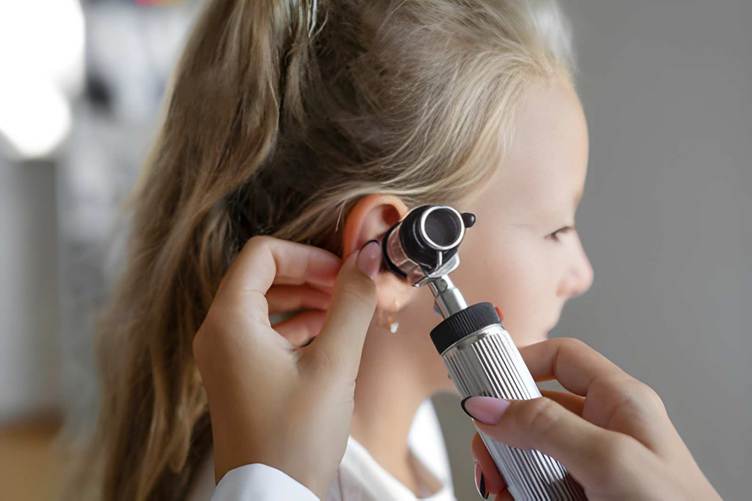
Enlarged adenoids can interfere with the Eustachian tubes, which normally help ventilate the middle ear. That can lead to fluid buildup, repeated ear infections, or hearing trouble in some children.
Because of this, adenoidectomy sometimes gets considered for kids with persistent middle-ear fluid or recurring ear infections especially once other treatments haven’t done the job.
5. Not Every Child Needs Surgery
Enlarged adenoids alone don’t automatically mean an operation is needed.
Adenoids shrink naturally with age, and mild symptoms sometimes resolve on their own. Depending on what’s going on, an ENT might suggest simply monitoring things, treating allergies or infections medically, or moving to surgery.
A proper assessment is what determines whether the benefits of surgery actually outweigh the risks for that particular child.
6. It’s Done Under General Anaesthesia
Kids are asleep for the entire procedure. The surgeon removes the adenoid tissue through the mouth there’s no cut on the face or neck.
The surgery itself doesn’t take long, and most children go home the same day, once they’re recovered enough from anaesthesia to drink, breathe comfortably, and meet the hospital’s usual discharge criteria.
7. Recovery Tends to Be Fast
Compared to some other throat surgeries, adenoidectomy recovery is generally quicker though every child bounces back differently.
In the days afterward, expect some combination of:
- Mild throat discomfort
- Ear discomfort
- Nasal congestion
- Bad breath
- A temporarily different-sounding voice
- Tiredness
- Mild nausea
Fluids and pain relief (as directed by the surgeon) make a real difference here. Most kids are back at school within about a week, but that timing should follow their actual recovery and the hospital’s guidance, not a fixed calendar.
8. Know the Risks Going In
Adenoidectomy is a common, generally safe procedure but no surgery is risk-free.
Possible complications include bleeding, infection, breathing issues tied to swelling or anaesthesia, temporary voice changes, nausea, and rarely adenoid tissue growing back. There’s also a small chance of minor injury to a tooth or the tissue inside the mouth during the procedure.
The surgeon and anaesthetist will go over your child’s individual risk factors before the day of surgery.
9. Aftercare Instructions Matter
Recovery goes more smoothly when the surgeon’s instructions are followed closely things like:
- Pain medication
- Food and fluids
- Rest and activity levels
- When to return to school
- Follow-up visits
- Warning signs to watch for
Keeping your child hydrated is especially important. It also helps to keep them away from cigarette smoke and other avoidable infection risks while they’re healing.
If there’s fresh bleeding from the nose or mouth after surgery, get medical attention right away. The same goes for serious breathing trouble, an inability to keep fluids down, or a child who seems to be getting worse rather than better.
10. The Right Specialist Makes a Difference
Deciding on adenoidectomy should come from a full assessment, not just a list of symptoms. An experienced ENT can look at the whole picture nasal airway, adenoids, ears, sleep patterns, recurring infections, hearing, and overall medical history before recommending anything.
Dr. Muddazir Ali Ibrahim, an ENT specialist, evaluates and treats a range of pediatric ENT conditions at NMC Specialty Hospital, where children with adenoid-related symptoms can get a thorough assessment and a treatment plan built around their specific case.
The goal isn’t just removing the adenoids; it’s figuring out whether surgery is the right call and how it would actually help.
When to See an ENT Specialist
It’s worth booking an evaluation if your child has ongoing:
- Snoring or noisy breathing at night
- Mouth breathing
- Nasal blockage
- Repeated ear infections
- Hearing trouble
- Disturbed sleep
- Chronic nasal or throat symptoms
- Possible breathing pauses during sleep
Catching this early makes it easier to figure out what’s actually going on and whether the answer is medication, watchful waiting, or surgery.
In Last
For the right children, adenoidectomy can make a real difference: better nasal breathing, better sleep, and fewer ear problems. But enlarged adenoids don’t automatically mean surgery is necessary.
A thorough evaluation by an experienced ENT specialist is the best way to understand what’s causing your child’s symptoms and what to do about it. If your child deals with persistent snoring, mouth breathing, nasal blockage, recurring ear problems, or disrupted sleep, consult Dr. Muddazir Ali Ibrahim at NMC Specialty Hospital for a personalized pediatric ENT assessment.