
If you’ve spent months (or years) with a blocked nose, facial pressure, and headaches that never quite go away, you know how draining chronic sinusitis can be. You try nasal sprays, steam, antibiotics, and allergy tablets, and the relief never lasts.
When medicines stop working, many people wonder if there’s a better option. For the right patients, endoscopic sinus surgery can be exactly that. Here, ENT specialist Dr. Muddazir Ali Ibrahim shares what makes this procedure so helpful and what you should know before considering it.
What Is Endoscopic Sinus Surgery?
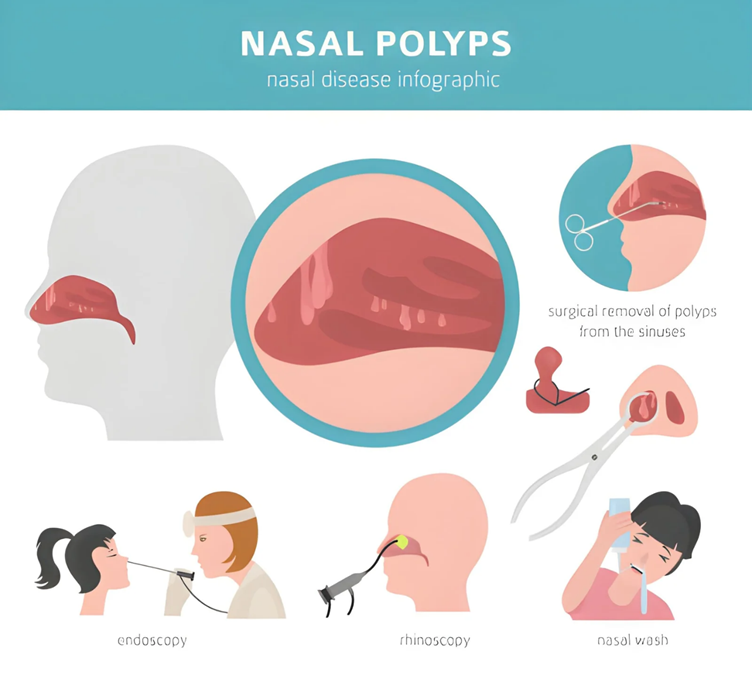
Endoscopic sinus surgery (often called FESS, or Functional Endoscopic Sinus Surgery) is a minimally invasive procedure that opens blocked sinus passages. The surgeon uses a thin, lighted tube with a tiny camera, called an endoscope, that goes in through the nostrils. There are no cuts on the face, and the surgeon can see the inside of your nose clearly on a screen.
The goal is simple: remove the swollen tissue, polyps, or blockages that stop your sinuses from draining and breathing the way they should.
1. Lasting Relief from Chronic Sinus Symptoms
Medicines can calm symptoms, but they don’t always fix the underlying blockage. Endoscopic sinus surgery tackles the structural problem itself, such as narrowed drainage pathways, polyps, or a deviated septum.
Many patients notice a clear improvement in congestion, facial pressure, thick discharge, and post-nasal drip. Results vary from person to person, but for those who haven’t responded to medical treatment, the difference can be life-changing.
2. No Facial Incisions and Less Visible Trauma
Older sinus surgeries often involved cuts on the face or inside the mouth. Endoscopic surgery works entirely through the natural openings of the nose.
That means no external scars, less tissue disturbance, and a more comfortable experience overall. For many patients, this alone makes the decision to proceed much easier.
3. Better Breathing Through the Nose
Breathing freely is something most of us take for granted until we can’t. A blocked nose affects everything from how you exercise to how you eat.
By opening the sinus passages and, when needed, correcting issues like a deviated septum or enlarged turbinates, the surgery helps air flow more freely. Many people describe the first few weeks after recovery as the first time in years they’ve breathed easily through both nostrils.
4. Fewer Sinus Infections
Chronic sinusitis often becomes a cycle. Blocked sinuses trap mucus, mucus invites bacteria, and infection follows. Then antibiotics, relief, and the cycle repeat.
Improving drainage and ventilation helps break that pattern. When sinuses can clear themselves properly, infections tend to become less frequent and less severe. That can mean fewer sick days, fewer antibiotic courses, and fewer doctor visits.
5. Improved Sense of Smell and Taste
Chronic inflammation and nasal polyps can dull your sense of smell, and since taste depends heavily on smell, food loses its flavour too.
By clearing the blockage, endoscopic sinus surgery can help restore these senses in many patients. Results depend on how long the problem has been present and how much the nerves have been affected, so it’s worth discussing realistic expectations with your surgeon.
6. Quicker Recovery Than Traditional Surgery
Because the procedure is minimally invasive, recovery is generally faster and more comfortable. Many patients go home the same day or after a short stay, and return to light daily activities within about a week, though your surgeon will advise based on your case.
You can expect some stuffiness, mild discomfort, and crusting in the nose as it heals. Saline rinses, prescribed medicines, and follow-up visits make a big difference in how smoothly recovery goes.
7. Better Sleep, Energy, and Quality of Life
This benefit is easy to overlook, but it’s often the one patient’s value most. Constant congestion disrupts sleep, causes snoring, and leaves you tired and foggy the next day.
When breathing improves, sleep often improves too. Better rest means more energy, better focus, and a better mood. Many patients say that beyond the physical relief, they simply feel like themselves again.
Is Endoscopic Sinus Surgery Right for You?
Surgery isn’t the first step for everyone. It’s typically considered when:
- Symptoms last more than 12 weeks despite proper medical treatment
- You have recurrent sinus infections several times a year
- Imaging (like a CT scan) shows blockages, polyps, or structural problems
- Nasal sprays, antibiotics, and allergy treatment haven’t given lasting relief
The right decision starts with a proper examination, usually including nasal endoscopy and imaging, so your ENT specialist can understand what’s actually causing your symptoms.
Tips for a Smooth Recovery
- Follow your doctor’s instructions on medicines and nasal rinses
- Avoid blowing your nose forcefully in the early days
- Skip strenuous exercise and heavy lifting until you’re cleared
- Stay hydrated and keep your head elevated while resting
- Attend every follow-up appointment, since cleaning and checks help healing
Final Thoughts
Living with chronic sinus problems doesn’t have to be your normal. Endoscopic sinus surgery offers a safe, precise, and minimally invasive way to address the root of the problem, with benefits that reach well beyond the nose.
If you’ve been struggling with persistent sinus symptoms, a consultation is the best first step. Dr. Muddazir Ali Ibrahim can evaluate your condition, explain your options honestly, and recommend a treatment plan tailored to you, whether that’s medication or surgery.
Ready to breathe easier? Book your consultation today.