
If your child snores every night, breathes through the mouth, or keeps getting ear infections, enlarged adenoids could be the reason. When medicines stop helping, doctors often suggest removing them. Many parents hesitate at the word “surgery,” so it helps to know that adenoid surgery has changed a lot. Endoscopic coblation adenoidectomy is one of the newer, more precise ways to do it.
If you’re looking into adenoidectomy in Dubai, this guide explains what the technique is, how it works, and why many ENT surgeons prefer it.
What Are Adenoids, and When Do They Cause Trouble?
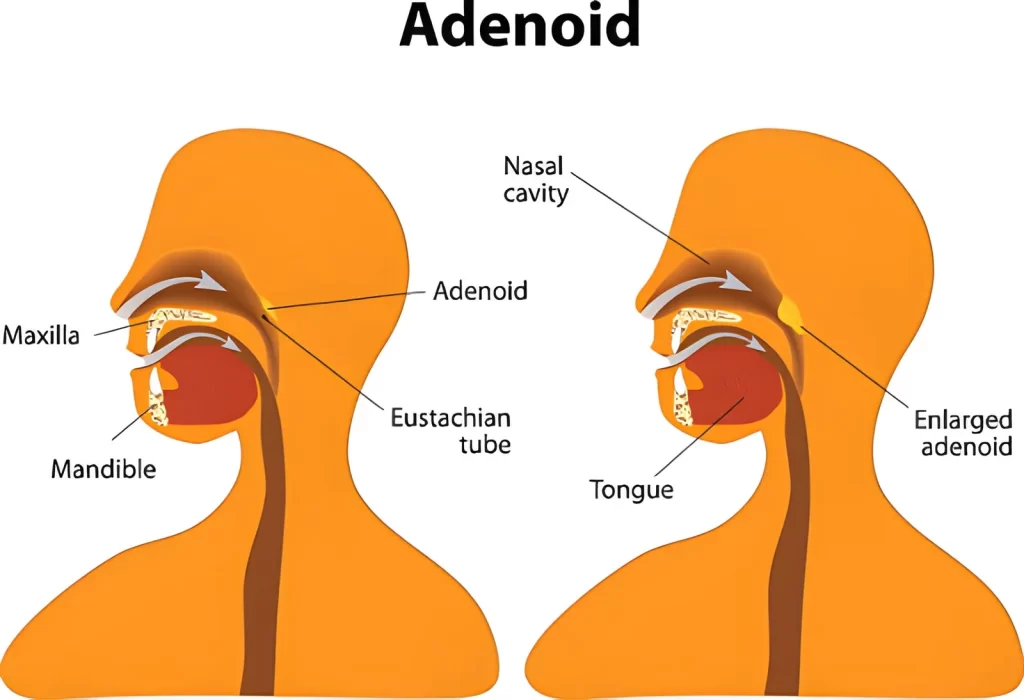
Adenoids are a small pad of tissue high up at the back of the nose, where the nose meets the throat. In young children they help fight germs. Most kids’ adenoids shrink on their own as they grow.
Sometimes they don’t. Repeated infections or allergies can leave them swollen, and they end up blocking the airway behind the nose. You might notice:
- A blocked nose that never really clears
- Mouth breathing, day and night
- Loud snoring, or pauses in breathing during sleep
- Restless nights and tired, cranky days
- Repeated ear infections or fluid behind the eardrum
Not every child with big adenoids needs an operation. But when symptoms drag on, surgery can make a real difference.
What Is Coblation Technology?
“Coblation” is short for controlled ablation. Instead of burning tissue with high heat, the instrument uses radiofrequency energy together with a saline (salt water) solution. This creates a thin field of energy at the tip of the probe that breaks down the bonds holding tissue cells together, so the tissue dissolves rather than burns.
The key point is temperature. Traditional electrocautery works at very high heat. Coblation runs much cooler, usually somewhere around 40 to 70°C. Less heat means less damage to the healthy tissue around the adenoids, and that is where most of the benefits come from.
What Does “Endoscopic” Add?
Older adenoid surgery was often done by feel, or with a small mirror, because the adenoids sit out of direct view. The surgeon was working partly blind.
In the endoscopic approach, the surgeon uses a thin camera (an endoscope) that gives a magnified, high-definition picture of the area on a screen. Combined with the coblation probe, this means the surgeon can:
- See exactly how much adenoid tissue is there
- Remove it carefully and completely, without leaving obstructing remnants behind
- Stay clear of delicate structures nearby, like the openings of the Eustachian tubes, which drain the middle ear
- Control any bleeding right away, while looking directly at it
Benefits of Endoscopic Coblation Adenoidectomy
Results vary from child to child, but the advantages that surgeons and studies commonly point to include:
- More precise removal
Seeing the whole area clearly lets the surgeon take out what is blocking the airway and protect what should stay.
- Less bleeding during surgery
The technology seals small blood vessels as it works, which keeps the area clearer and the procedure smoother.
- Less damage to surrounding tissue
Low operating temperatures mean less heat spreading to healthy areas.
- Often a more comfortable recovery
Because there is less thermal injury, many children have less pain afterwards and settle back into normal eating, play, and school sooner. Experience differs between children, and your surgeon will explain what to expect for yours.
- Better chance of lasting relief
Removing the obstructing tissue completely gives breathing, sleep, and ear symptoms the best chance of improving.
- No external cuts
Like standard adenoidectomy, the surgery is done through the mouth or nose, so there are no stitches or visible scars.
What Happens on the Day?
The surgery is done under general anaesthesia, so your child is fast asleep and feels nothing. The operation itself is usually short. Most of the time at the hospital goes on preparation and waking up afterwards.
Many children go home the same day once they are awake, drinking, and the team is happy with their recovery. Before you leave, you’ll get clear instructions on food, fluids, pain relief, and activity.
Recovery: What to Expect
Most children bounce back within several days. In the first week or so you may notice:
- A mild sore throat
- A stuffy nose while it heals
- A slightly nasal voice for a short while
- Bad breath
- Tiredness from the anaesthesia
Offer plenty of fluids and follow your surgeon’s advice on diet, rest, and when to go back to school or sports. Call your doctor or go to the nearest emergency department straight away if your child has fresh bleeding from the nose or mouth, trouble breathing, or signs of dehydration. Bleeding after adenoid surgery is never something to wait out at home.
Are There Risks?
Adenoidectomy is a common operation in children, but like any surgery it carries some risks. These include bleeding, infection, reactions to the anaesthetic, a temporary change in voice.
Choosing an ENT Specialist for Adenoidectomy in Dubai
The technology matters, but so does the person use it. Look for an ENT doctor who examines your child properly, explains why surgery is or isn’t needed, and is honest about what to expect.
Dr. Muddazir Ali Ibrahim at NMC Specialty Hospital sees children with blocked noses, snoring, sleep problems, and recurring ear issues. A consultation will tell you whether adenoids are really behind your child’s symptoms and whether endoscopic coblation adenoidectomy is the right option.
Frequently Asked Questions
Q1. Is coblation adenoidectomy safe for children?
Yes. It is a well-established technique used in children, performed under general anaesthesia by a trained ENT surgeon, and the endoscopic view adds precision. As with any surgery, your doctor will go over the risks with you first.
Q2. Will my child stop snoring afterwards?
Often, yes, if the adenoids were the main cause. If large tonsils, allergies, or weight are also involved, some snoring may remain and further treatment may be needed.
Q3. How is it different from regular adenoidectomy?
Coblation uses low-temperature radiofrequency energy instead of high-heat cautery, and the endoscope lets the surgeon see the whole area clearly. This can mean more precise removal and less trauma to nearby tissue.
Q4. How soon can my child go back to school?
Many children return within about a week, but it depends on how they feel and what your surgeon advises.
Q5. Does every child with enlarged adenoids need surgery?
No. Some improve with medication, allergy treatment, or simply time. Surgery is for children whose symptoms are persistent or causing problems.
The Bottom Line
Endoscopic coblation adenoidectomy pairs a clear camera view with low-heat technology to remove blocked adenoids carefully and precisely. For many children, that means easier breathing, quieter and deeper sleep, and fewer ear problems.
If your child’s symptoms haven’t settled, book a consultation with Dr. Muddazir Ali Ibrahim at NMC Specialty Hospital to find out whether this approach is right for them.