
Nasal breathing should be automatic something you never have to think about. For people with a deviated septum, though, it often isn’t. Congestion, snoring, recurring sinus trouble, headaches: these can chip away at day-to-day comfort, and when medication and other conservative steps stop helping, surgery becomes worth discussing.
Endoscopic septoplasty is one of the more advanced options available for deviated septum treatment in Dubai. It’s built to correct structural issues in the nasal septum and restore airflow, while leaving as much healthy tissue in place as possible.
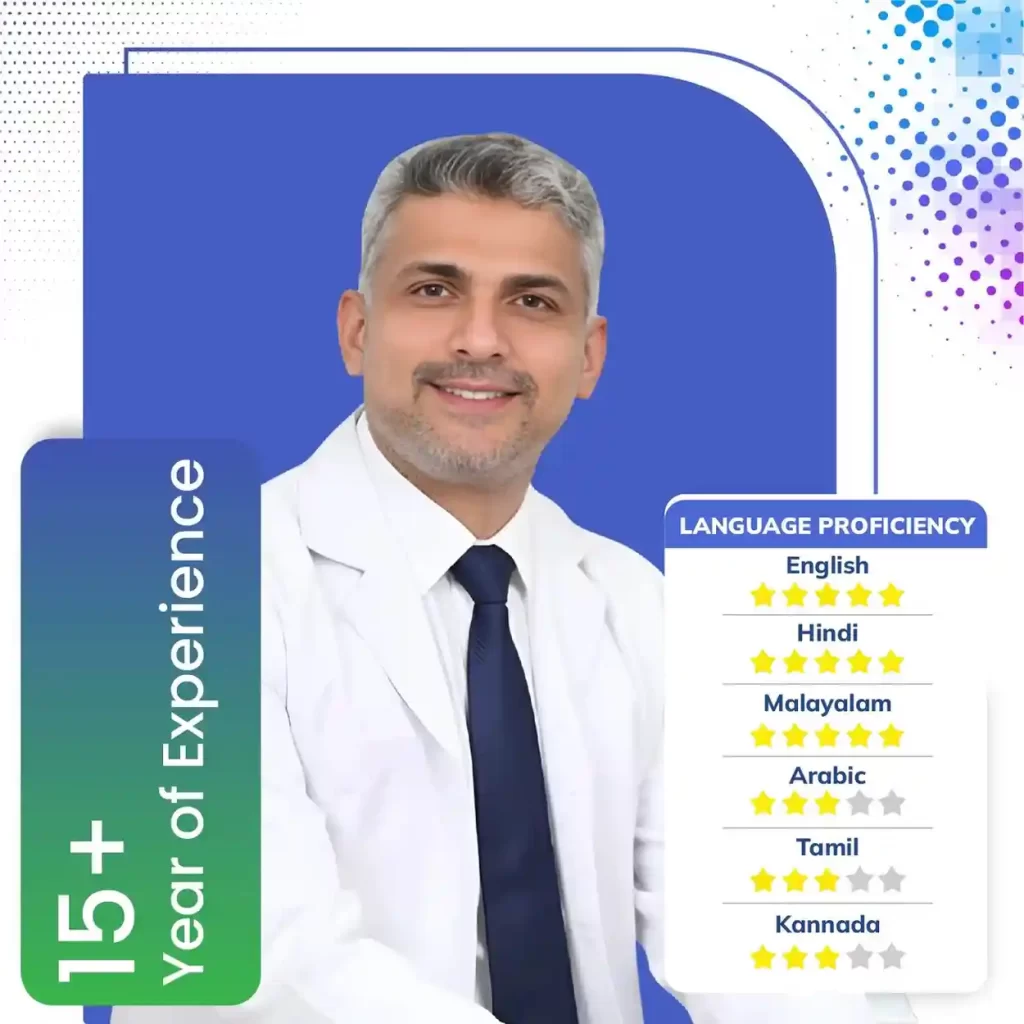
Dr. Muddazir Ali Ibrahim, an ENT specialist at NMC Specialty Hospital, sees patients dealing with nasal obstruction and related conditions and helps determine whether septoplasty makes sense for them.
What Is a Deviated Septum?
The septum is the wall of cartilage and bone separating your two nasal passages. In most people it sits roughly in the center. When it bends or shifts to one side, whether from birth, an old sports injury, an accident, or simply how the nose developed over time that’s a deviated septum.
Plenty of people have a mild deviation and never notice it. A more pronounced one, though, can narrow one or both passages enough to make breathing genuinely harder.
Signs You Might Be Dealing with One
Not every deviated septum needs treatment only the ones causing real trouble. Watch for:
- Nasal blockage or congestion that won’t quit
- Trouble breathing through one or both nostrils
- Breathing through your mouth more than you’d like
- Snoring or restless sleep
- Sinus infections that keep coming back
- Dryness or crusting inside the nose
- Nosebleeds, in some cases
- Getting winded faster than expected during exercise
- One side of the nose that always feels blocked
If this kind of obstruction sticks around for weeks or months, it’s worth getting an ENT to take a look and rule in (or out) a deviated septum as the cause.
What Endoscopic Septoplasty Actually Involves
This is a minimally invasive way to correct a deviated septum. The surgeon works with an endoscope a thin camera-and-light instrument to get a clear, magnified view inside the nose, then reshapes, trims, or repositions the parts of the cartilage and bone that are out of place.
The goal isn’t just a “straighter” septum on paper. It’s better functional airflow, achieved while keeping as much of the supporting structure intact as possible.
Could You Be a Candidate?
Surgery isn’t automatic just because a septum is deviated; it comes down to your symptoms, an exam, your history, and how you’ve responded to non-surgical treatment so far. You might be a candidate if:
A. Nasal obstruction hasn’t budged. If one or both nostrils stay blocked even with proper medical treatment, a structural issue like septal deviation could be the underlying cause.
B. Exercise is harder than it should be. A narrowed airway makes nasal breathing tougher during physical activity, and correcting it can ease that.
C. You’ve become a chronic mouth-breather. When the nose won’t cooperate, the mouth takes over especially during sleep or a workout.
D. Snoring or disrupted sleep is a pattern. Nasal obstruction can play a role here, though it’s worth saying plainly: septoplasty isn’t a catch-all fix for sleep apnea, so proper evaluation matters before assuming it’ll solve everything.
E. Sinus problems keep recurring. In some patients, a deviated septum affects airflow and sinus drainage enough to feed into repeat infections. Correcting it may be one part of a larger treatment plan.
F. Medication only goes so far. Sprays, allergy treatment, and saline rinses can calm inflammation and congestion, but none of them can physically straighten a significantly off-centre septum.
What You Might Gain from It
When it’s genuinely indicated, endoscopic septoplasty can offer:
- Easier breathing – a more open, functional airway is the main point of the procedure
- Precision – the endoscope lets the surgeon see internal structures directly while operating
- Tissue preservation – modern technique focuses on fixing the problem areas without sacrificing structural support
- Better sleep, for patients whose nights were disrupted by obstruction
- Less reliance on mouth breathing, once the nasal passage is doing its job again
How It Gets Diagnosed
It starts with a conversation your symptoms, history, any past nasal injuries, allergies, sinus issues, sleep complaints followed by a physical exam of the nose and nasal passages. Depending on what turns up, your ENT might order nasal endoscopy or further testing.
Part of the job here is ruling out look-alikes, since obstruction isn’t always about the septum. Other possibilities include allergic rhinitis, enlarged turbinates, nasal polyps, chronic rhinosinusitis, and nasal valve problems. Getting the diagnosis right is what determines whether you need medication, surgery, or some combination of both.
What Happens During the Procedure
Endoscopic septoplasty takes place in a hospital or an appropriate surgical setting, under anesthesia. The surgeon works through the nostrils, no external incision on the face using the endoscope to locate and correct the deviated cartilage or bone.
The specifics shift depending on your anatomy and exactly where and how severe the deviation is. Sometimes septoplasty is done alongside treatment for enlarged turbinates or other nasal and sinus issues, when that makes clinical sense.
Recovery
Everyone heals a little differently, but mild congestion, swelling, pressure, or discomfort in the early days is normal. During recovery, most surgeons will ask you to:
- Stick closely to postoperative instructions
- Skip strenuous activity for the recommended period
- Keep the nose clean as directed
- Avoid blowing your nose forcefully
- Show up for follow-up appointments
- Use any prescribed medication or saline treatment as instructed
It’s common to feel some blockage early on simply from swelling that eases as healing progresses.
Septoplasty vs. Medication
These two approaches solve different problems. If your obstruction is mostly inflammation-driven allergies, for instance medication may well be enough. But if a genuine structural deviation is the main culprit, no medication will permanently straighten it. That’s the reason an individual ENT assessment matters before deciding which path fits.
Finding the Right ENT Specialist in Dubai
Look for real ENT qualifications, hands-on experience with nasal and sinus procedures, a thorough diagnostic approach, and a plan built around your specific anatomy not a one-size-fits-all protocol.
Dr. Muddazir Ali Ibrahim at NMC Specialty Hospital evaluates and treats patients dealing with nasal obstruction, sinus issues, and other ENT conditions, with the recommended approach shaped by the underlying cause and the individual patient.
Common Questions
1. Can a deviated septum be treated without surgery?
Mild cases are sometimes manageable with medication, saline rinses, or allergy treatment this ease inflammation, but they won’t physically correct a significant deviation.
2. Is the procedure painful?
It’s done under anesthesia. Some congestion or discomfort during recovery is typical, but this varies from person to person and is managed as directed by the surgeon.
3. Will it change how my nose looks?
No, septoplasty targets internal function, not appearance. It’s distinct from cosmetic rhinoplasty, though some patients opt for both together.
4. How long is recovery?
The first stretch of healing takes days to a few weeks, with internal healing continuing longer after that. Your surgeon can give you a timeline based on your specific procedure.
5. Will it stop my snoring?
It can help if nasal obstruction is a contributing factor, but snoring often has more than one cause, so septoplasty isn’t a guaranteed fix for snoring or sleep apnea.
Booking a Consultation
Ongoing nasal blockage isn’t something to just live with, particularly if it’s affecting your sleep, your workouts, or your everyday routine. An ENT evaluation can settle whether medical treatment will do the job or whether surgery is worth considering.
For deviated septum treatment in Dubai, Dr. Muddazir Ali Ibrahim at NMC Specialty Hospital offers individualized assessment and treatment planning. If structural obstruction is significantly affecting your breathing and conservative treatment hasn’t helped, endoscopic septoplasty may be worth exploring.