
Sinusitis is one of the most common reasons people visit an ENT specialist. It occurs when the sinuses become inflamed due to infections, allergies, or structural nasal problems. While some cases resolve within a few weeks, others persist for months and significantly affect daily life. Understanding the difference between acute and chronic sinusitis is essential for receiving the right treatment and preventing long-term complications.
If you are experiencing persistent nasal blockage, facial pain, headaches, or recurrent sinus infections, Dr. Muddazir Ibrahim, an experienced ENT Specialist at NMC Specialty Hospital, Dubai, provides comprehensive diagnosis and advanced sinusitis treatment tailored to each patient’s needs.
What Is Sinusitis?
Healthy sinuses produce mucus that drains naturally through small openings into the nose. When these passages become blocked due to infection, allergies, or swelling, mucus accumulates, creating an ideal environment for bacteria or viruses to grow.
Sinusitis can affect people of all ages and may be classified as acute or chronic depending on the duration of symptoms.
Acute Sinusitis
Acute sinusitis usually develops after a common cold or viral upper respiratory infection.
Common symptoms include:
- Nasal congestion
- Thick yellow or green nasal discharge
- Facial pressure or pain
- Headache
- Fever
- Reduced sense of smell
- Tooth pain
- Fatigue
Most acute sinus infections improve within 10 days to four weeks, especially with proper medical care and supportive treatment.
Chronic Sinusitis
Chronic sinusitis occurs when symptoms persist for 12 weeks or longer, despite treatment. It often results from long-standing inflammation rather than infection alone.
Symptoms include:
- Constant nasal blockage
- Persistent facial pressure
- Thick mucus drainage
- Chronic cough
- Postnasal drip
- Reduced or lost sense of smell
- Bad breath
- Recurrent headaches
Patients with chronic sinusitis frequently experience repeated infections and reduced quality of life.
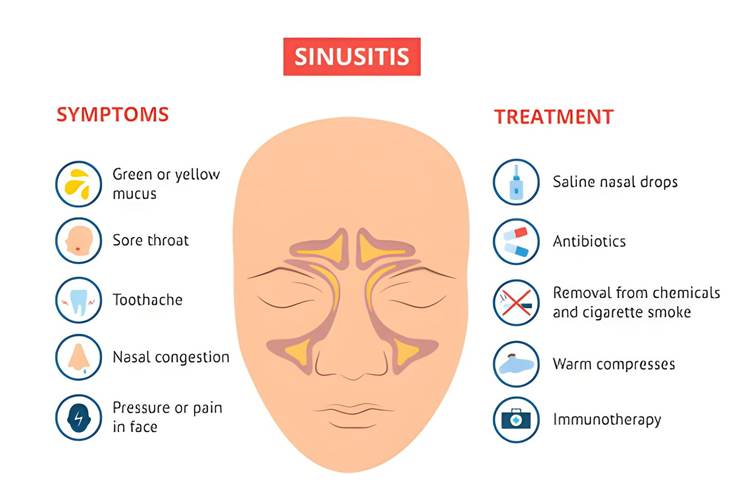
Acute vs Chronic Sinusitis
| Acute Sinusitis | Chronic Sinusitis |
| Lasts less than 4 weeks | Lasts more than 12 weeks |
| Usually viral or bacterial | Often due to chronic inflammation |
| Sudden onset | Develops gradually |
| Responds well to medication | May require advanced treatment or surgery |
| Usually resolves completely | Can recur without treating the underlying cause |
Common Causes of Sinusitis
Several factors increase the risk of developing sinus infections, including:
- Viral infections
- Bacterial infections
- Allergic rhinitis
- Nasal polyps
- Deviated nasal septum
- Air pollution and dust exposure
- Smoking
- Asthma
- Weak immune system
- Dubai’s dry climate and seasonal allergens
Identifying the underlying cause is essential for long-term symptom relief.
Diagnosis by Dr. Muddazir Ibrahim
At NMC Specialty Hospital, Dubai, Dr. Muddazir Ibrahim performs a detailed evaluation to determine the exact cause of sinus problems.
Diagnostic methods may include:
- Complete ENT examination
- Nasal endoscopy
- CT scan of the sinuses
- Allergy assessment
- Nasal culture (when required)
An accurate diagnosis helps create an effective, personalized treatment plan.
Treatment Options for Acute Sinusitis
Most patients recover without surgery.
Treatment may include:
- Saline nasal irrigation
- Nasal steroid sprays
- Decongestants (for short-term use)
- Pain-relieving medication
- Adequate hydration
- Antibiotics only when bacterial infection is confirmed or strongly suspected
Early treatment helps prevent progression to chronic sinusitis.
Treatment Options for Chronic Sinusitis
Chronic sinusitis requires a comprehensive approach focused on treating the root cause.
Treatment options include:
- Long-term nasal corticosteroid sprays
- Allergy management
- Saline nasal irrigation
- Appropriate antibiotics when indicated
- Treatment of nasal polyps
- Management of asthma and allergies
- Lifestyle modifications
- Regular ENT follow-up
Patients who do not improve with medical therapy may benefit from minimally invasive surgery.
Endoscopic Sinus Surgery
When medications fail to control chronic sinusitis, Functional Endoscopic Sinus Surgery (FESS) may be recommended. Using high-definition endoscopic equipment, Dr. Muddazir Ibrahim removes blockages, enlarges natural sinus drainage pathways, and restores normal ventilation without external incisions.
Benefits include:
- Improved sinus drainage
- Better breathing
- Reduced frequency of infections
- Faster recovery
- Minimal discomfort
- Improved quality of life
When Should You See an ENT Specialist?
Seek medical attention if you experience:
- Symptoms lasting longer than 10 days
- Recurrent sinus infections
- Facial swelling
- Severe headaches
- High fever
- Vision changes
- Persistent nasal blockage
- Loss of smell
- Symptoms lasting more than 12 weeks
Early evaluation prevents complications and reduces the need for repeated antibiotics.
Why Choose Dr. Muddazir Ibrahim?
Dr. Muddazir Ibrahim is an experienced ENT Specialist at NMC Specialty Hospital, Dubai, providing evidence-based diagnosis and advanced treatment for acute and chronic sinusitis.
Patients benefit from:
- Comprehensive ENT assessment
- Advanced nasal endoscopy
- Expertise in Functional Endoscopic Sinus Surgery (FESS)
- Personalized treatment plans
- Modern minimally invasive techniques
- Compassionate, patient-focused care
- Management of both adult and pediatric sinus disorders
Book Your Consultation
Persistent sinus congestion, facial pain, or recurring infections should never be ignored. Early diagnosis and expert treatment can restore healthy breathing and prevent chronic complications.
Book an appointment with Dr. Muddazir Ibrahim at NMC Specialty Hospital, Dubai, for expert evaluation and advanced treatment of acute and chronic sinusitis.
Frequently Asked Questions
1. What is the difference between acute and chronic sinusitis?
Acute sinusitis lasts up to four weeks and is usually caused by viral or bacterial infections, while chronic sinusitis persists for more than 12 weeks due to ongoing inflammation or structural issues.
2. Does every sinus infection require antibiotics?
No. Most acute sinus infections are viral and improve without antibiotics. Antibiotics are recommended only when a bacterial infection is suspected or confirmed.
3. Can allergies cause chronic sinusitis?
Yes. Untreated allergies can cause persistent inflammation that blocks sinus drainage and contributes to chronic sinusitis.
4. Is sinus surgery safe?
Yes. Functional Endoscopic Sinus Surgery (FESS) is a safe, minimally invasive procedure with excellent success rates when performed by an experienced ENT surgeon.
5. When should I consult an ENT specialist for sinusitis?
You should consult an ENT specialist if symptoms last longer than 10 days, recur frequently, or persist for more than 12 weeks despite treatment.